

Why Does Weed Make Your Eyes Red?
Red, glassy eyes are one of the most recognizable after-effects of cannabis. It can look dramatic-sometimes even more noticeable than the high itself. But what’s actually happening, and why does it seem worse some days than others? Here’s a clear, science-based breakdown of the causes, the variables that make redness more or less intense, and what you can do to manage it.

Red, bloodshot eyes are a common short-term effect after smoking weed.
The core reason: vasodilation from cannabinoids
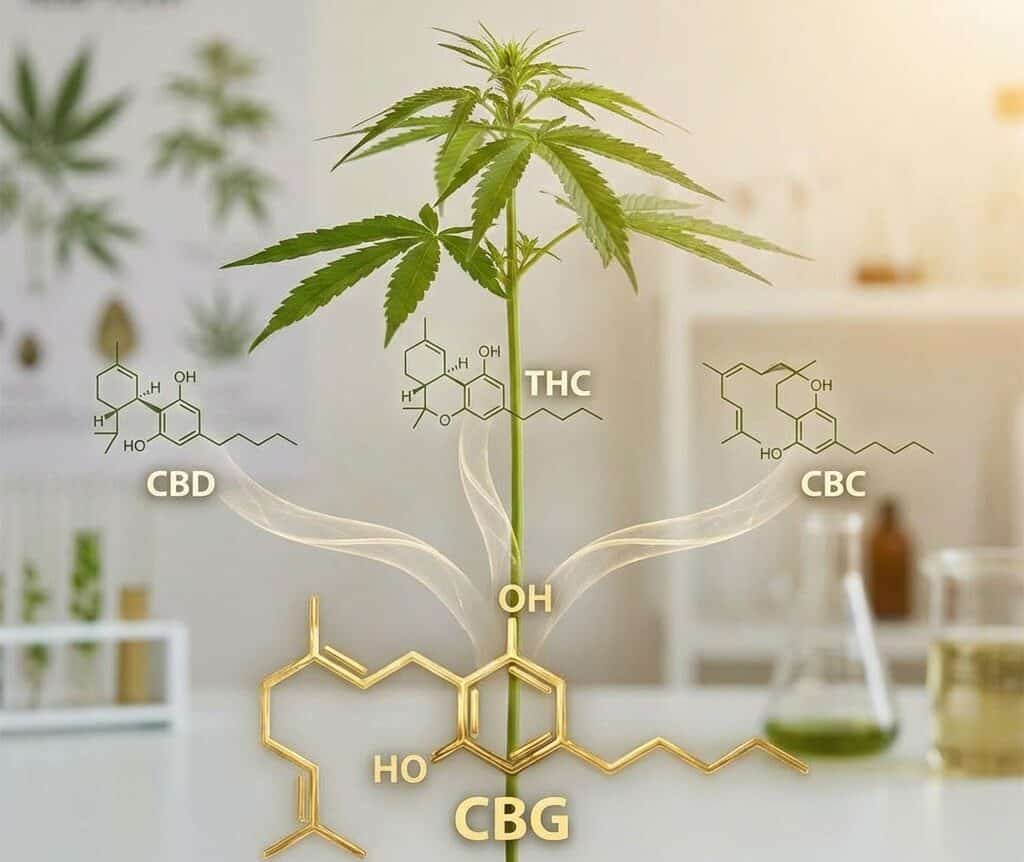
The main driver of red eyes is vasodilation-the widening of tiny blood vessels (capillaries) on the surface of your eyes. When you consume cannabis, THC binds to CB1 receptors in ocular tissues. This interaction triggers a temporary drop in blood pressure and reduces intraocular pressure. As pressure falls, surface blood vessels open up to maintain blood flow. Wider vessels near the white part of your eye (the sclera) become more visible, producing that classic red or pink look.
This effect isn’t only about smoke. Any form of THC-smoked flower, vapes, edibles, tinctures, capsules-can cause vasodilation. The delivery method can change the timing and intensity, but the underlying mechanism is the same.
Smoke vs. no smoke: irritation is secondary
People often assume redness is just irritation from smoke. Smoke can absolutely irritate the delicate ocular surface and worsen redness, especially in dry indoor air. But irritation is a secondary factor. Even edibles-with zero smoke exposure-can make eyes red because vasodilation is driven by cannabinoids, not combustion byproducts.
That’s why you may notice:
-
Redness from edibles tends to build slowly and last longer, mirroring the edible’s timeline. You can explore gentler options in cannabis edibles or balanced CBD products if you’re sensitive.
-
Redness from smoking or vaping can arrive faster and may be compounded by smoke or vapor dryness, heat, and terpenes. If you prefer inhalation, stick to cleaner hardware like disposable vapes or cartridges.
Dose matters (a lot)
Redness scales with dose and potency. Higher THC doses produce stronger vasodilation in many people. A few practical patterns show up often:
-
High-THC flower or concentrates are more likely to cause noticeable redness than low-THC products. If you want to dial it back, consider browsing cannabis flower and choosing lower-THC strains or smaller session sizes.
-
Microdosing or choosing products with balanced THC:CBD ratios can reduce the intensity for some users. For example, CBD-forward edibles and oils in cannabis oil drops or CBD gummies/oils may feel gentler.
Keep in mind there’s a ceiling to what eye drops or hydration can do if you’ve had a very high dose-you’re treating the symptom of vasodilation, not turning it off entirely.
Individual sensitivity and tolerance
Not everyone gets equally red. Genetics, eye color, baseline dryness, contact lens use, and general cardiovascular sensitivity all play a role. With repeated exposure, some people develop functional tolerance to certain THC effects (perceived intoxication, heart rate changes). A few also report a lessening of eye redness over time, though it varies and isn’t guaranteed.
Product profiles: THC, CBD, and terpenes
-
THC is the primary driver of vasodilation and redness.
-
CBD on its own is much less likely to cause classic “red eyes.” Products that are CBD-dominant may yield little to no redness for many users. Consider starting with CBD-focused items if you want effects without as much ocular redness.
-
Terpenes (like limonene, pinene, myrcene) can affect feel and airflow comfort; some users find certain terpenes a bit drying or irritating when inhaled. While terpenes don’t cause vasodilation directly, they can amplify irritation if you’re already sensitive.
Method of consumption: timing and feel
-
Smoking (joints, pipes, bongs): Redness can appear quickly, compounded by heat and particulate irritation. If convenience matters, pre-rolled options in pre-rolls keep dosing consistent.
-
Vaping: Often less harsh than smoke, but dry, warm vapor can still irritate eyes and sinuses-especially in low-humidity rooms. If you want predictable, repeatable sessions, check vapes and match your device to your preferred extract.
-
Edibles and capsules: No smoke, but longer, sometimes more pronounced redness due to sustained THC levels. Browse gummies & chocolates for slower, steadier effects.
-
Tinctures and oils: Usually gentler on the eyes than smoking; redness depends on THC content and dose. Balanced formats in oil drops make fine-tuning easier.
-
Topicals: Typical skin topicals don’t cause red eyes unless there’s systemic absorption of THC (most standard topicals don’t deliver much).
Environment: dryness and airflow
Where you consume matters. Dry air (winter heating, AC, fans), stale rooms, or windy outdoor conditions can dry the tear film, irritating the surface of your eyes. Dryness plus vasodilation makes redness look worse. Add screen time (reduced blink rate), and your eyes may feel even more irritated.
Contacts and baseline eye health
Contact lens wearers often report more noticeable redness. Lenses can alter tear distribution and trap irritants. If your baseline includes allergies, blepharitis, or ocular dryness, the redness may persist longer and feel more uncomfortable.
How long does redness last?
It generally tracks with the active window of THC in your system:
-
Inhaled routes: redness can peak within 15-60 minutes and taper over a few hours. A lighter cultivar from sativa or indica lines (at modest doses) often fades quicker.
-
Edibles: redness may peak later (1-3 hours after dosing) and linger longer, sometimes 6+ hours, depending on dose and metabolism.
Hydration, rest, and avoiding additional irritants (like smoke or dust) help it resolve faster.

THC can temporarily widen blood vessels in the eyes, making them look red.
Practical ways to reduce or prevent red eyes
You can’t fully bypass THC-driven vasodilation, but you can manage how it looks and feels.
Dose and product choices
-
Choose lower-THC products or balanced THC:CBD options if you want a gentler effect profile. Explore hybrid, indica, and sativa picks and start low.
-
Microdose or take smaller, spaced hits. Avoid “stacking” multiple high-THC products in a short window.
Method and technique
-
Opt for vaping over smoking if smoke irritates your eyes, and keep temperatures moderate if your device allows. Check curated disposable vapes for consistent output.
-
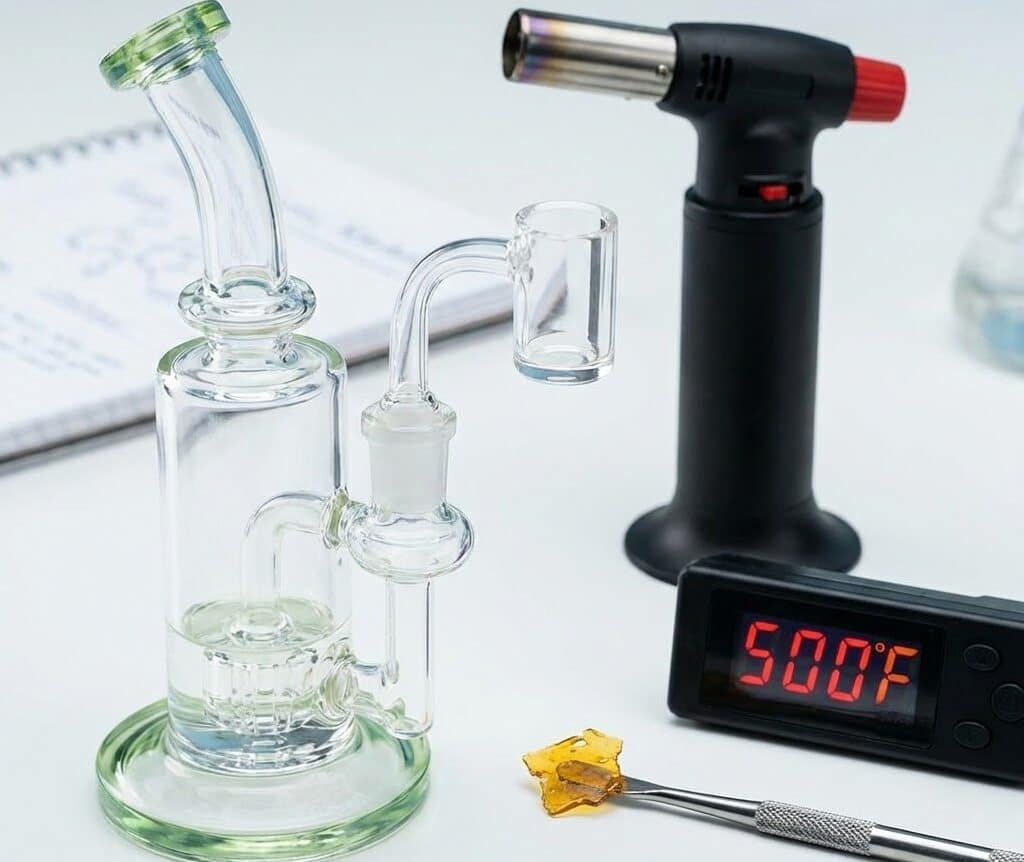
If you smoke, consider cooler glass and clean hardware to reduce particulate irritation.
Moisture and environment
-
Use a humidifier in dry rooms and avoid sitting directly under fans or vents.
-
Blink more if you’re on screens; the tear film evaporates quickly during long, focused sessions.
-
Consider preservative-free lubricating eye drops (artificial tears) before or after a session to support the tear film.
Redness-relief eye drops
-
Decongestant/vasoconstrictor drops can temporarily constrict blood vessels and reduce the red look.
-
Use them sparingly. Overuse can lead to rebound redness. If you rely on drops often, rotate with lubricating drops to avoid dryness.
Hydration and general care
-
Drink water before and after your session. Systemic hydration supports a healthier tear film.
-
If your eyes feel gritty, cool compresses can be soothing without medication.
If you’re experimenting with gentler experiences overall, CBD-forward options and balanced oils in CBD products or cannabis oil drops are practical places to start.
When redness might be a concern
Cannabis-related redness should fade as the effects wear off. If your eyes stay very red, painful, sensitive to light, or blurry long after, or if you notice discharge or injury, that’s not typical post-session redness-consider contacting a qualified healthcare professional. Pre-existing conditions (like severe dry eye, glaucoma management, or eye surgery recovery) warrant extra caution and personalized advice.
Myths to stop believing
-
“Only smoke causes red eyes.” False. Edibles and tinctures can cause redness because the mechanism is vasodilation from THC.
-
“CBD causes the same redness.” Not usually. CBD alone is less associated with the classic red-eye effect, though full-spectrum products with THC can still do it.
-
“Eye drops fix everything.” They can mask redness for a while, but they don’t stop vasodilation. Overuse can backfire with rebound.
Quick recap
Weed makes your eyes red primarily because THC widens the tiny blood vessels on the eye’s surface. Smoke or vapor can add irritation, but the root cause is cannabinoid-driven vasodilation. Redness varies by dose, product potency, method, environment, and individual sensitivity. You can reduce it by moderating THC, choosing gentler formats, supporting tear moisture, and using redness-relief drops wisely.
If you’re ready to experiment with formats that many people find easier on the eyes, browse edibles

Leave a comment
Your email address will not be published. Required fields are marked *
You must be logged in to post a comment.