

What’s the Best Temperature for Shatter? A Comprehensive Guide to the Perfect Dab
In the world of cannabis concentrates, shatter remains one of the most iconic and beloved forms. Its glass-like consistency, amber hue, and potent THC content make it a staple for dabbing enthusiasts.1 However, owning a gram of premium shatter is only half the battle. The other half—and perhaps the most critical variable—is the temperature at which you consume it.
If you’ve ever taken a dab that felt like inhaling fire and left your chest tight, you’ve likely overheated your nail. Conversely, if you’ve been left with a puddle of dark oil that didn’t vaporize, you went in too cold. Finding the “Goldilocks zone” for dabbing shatter isn’t just about comfort; it is about chemistry. The temperature you choose dictates the flavor profile, the intensity of the psychoactive effects, and the health of your lungs.
This guide will dive deep into the science of vaporization, the differences between low, medium, and high-temperature dabs, and how to dial in your setup to extract the maximum potential from your shatter.

Precision is key: A complete dabbing setup showing the “Goldilocks” temperature of 500°F for the perfect balance of
flavor and vapor.
Understanding Shatter and Thermal Dynamics
Before discussing numbers, it is helpful to understand what shatter actually is. Shatter is a BHO (Butane Hash Oil) extract known for its stability.3 Its brittle, glass-like texture comes from the way the cannabinoid molecules align during the extraction and purging process. Because it is a solid at room temperature but melts rapidly upon contact with heat, it behaves slightly differently than “sauce” or “budder.”
When you dab shatter, you are aiming for vaporization , not combustion.
- Vaporization: Turning the oils into a gas (vapor) without burning the plant material. This releases cannabinoids and terpenes effectively.
- Combustion: Burning the material. This creates smoke, destroys delicate terpenes, and produces carcinogens like benzene.
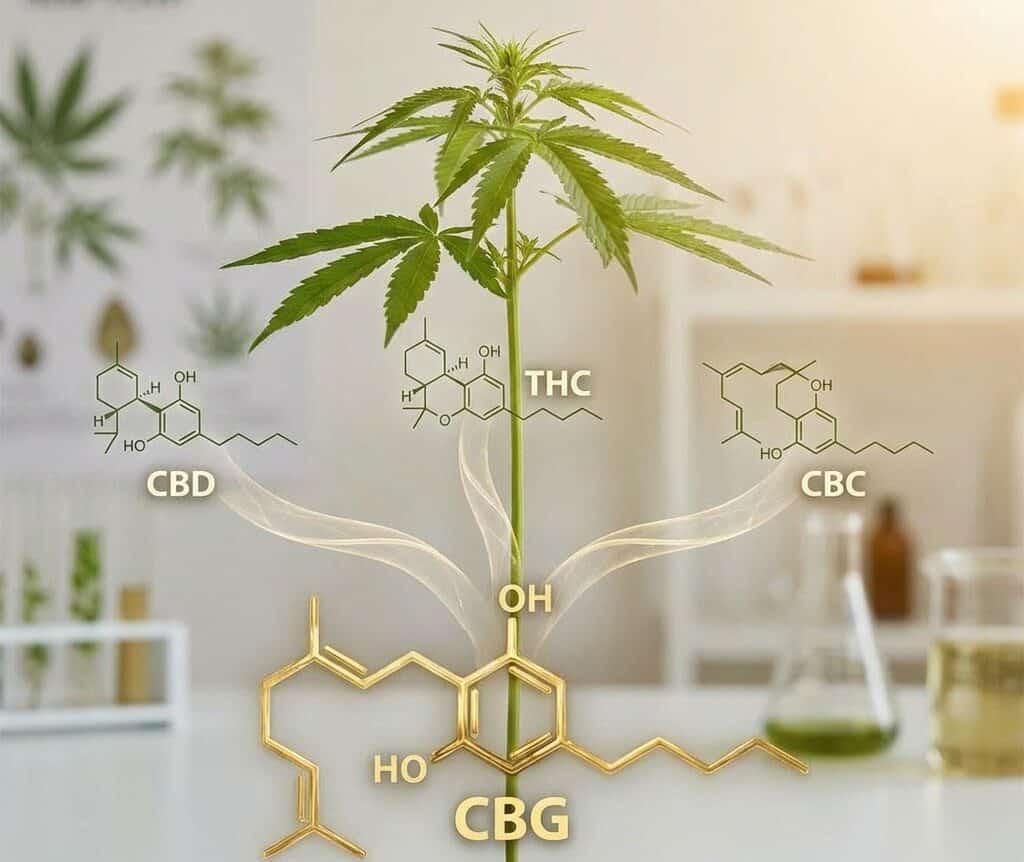
The goal is to heat the shatter enough to boil the cannabinoids (THC, CBD) and terpenes, but not so hot that you degrade them into harmful byproducts.
The Temperature Spectrum: Choosing Your Experience
There is no single “correct” temperature for everyone, but there are distinct ranges that offer vastly different experiences. Generally, dabbing temperatures range from 315°F (157°C) to 900°F+ (482°C) .
1. Low-Temperature Dabs (315°F – 450°F)
The Connoisseur’s Choice
If you bought top-shelf shatter because you want to taste the lemon, pine, or berry notes, this is where you want to live.
- Flavor:
This range preserves the most terpenes. Terpenes are volatile organic compounds responsible for the aroma and flavor of cannabis.5 Many terpenes, such as pinene and myrcene, have relatively low boiling points. At low temps, you experience the full “bouquet” of the strain. - Effect:
The high tends to be milder and more manageable. It is often described as “cleaner” or clearer. Because you aren’t inhaling combustion byproducts, the smoke is incredibly smooth on the lungs. - The Downside:
You may not vaporize all the oil. Low-temp dabs often leave a small puddle of residue (often called “pooling”) in the banger, which some see as wasteful. You also won’t get massive clouds of vapor.
Best for: Flavor chasers, medical patients with sensitive lungs, and those using high-terpene shatter.
2. Medium-Temperature Dabs (450°F – 600°F)
The Balanced Standard
This is the sweet spot for the majority of dabbers. It offers a compromise between the flavor of low temps and the potency of high temps.
- Flavor: You will still get a good representation of the strain’s flavor profile, though some of the more delicate terpenes may be lost.
- Effect: The vaporization is more efficient, meaning you get a denser cloud and a more immediate psychoactive punch. The heat activates the THC more rapidly.
- The Experience: The vapor is warm but not harsh. It creates a satisfying density that feels like a “real hit” without the coughing fit associated with scorching your throat.
Best for: Daily users, social sessions, and those who want a strong effect without sacrificing all the flavor. If you are unsure where to start, aim for 500°F.
3. High-Temperature Dabs (600°F – 900°F+)
The Hot and Heavy
Dabbing at these temperatures is often referred to as taking a “hot dab.” While popular in the early days of dabbing, this method is falling out of favor as consumers become more educated—but it still has its place for some.
- Flavor: Minimal. At these temps, most terpenes are destroyed instantly. You will mostly taste a generic “burnt” or “haspy” flavor.
- Effect: Intense and immediate. High temps vaporize the concentrate instantly, delivering the entire dose of THC to your system in seconds. This can lead to a very rush-heavy, sedative high.
- The Risk: Anything above 750°F risks combustion. This produces red-hot nails and harsh smoke that can irritate the throat and lungs. It also causes “chazzing” (permanent clouding) of your quartz banger.
Best for: Those seeking maximum intensity regardless of flavor, or those trying to clear a very large dab quickly.
The Science of Boiling Points
To truly master your temperature, it helps to look at the boiling points of the specific compounds found in shatter. Shatter is a mix of cannabinoids and terpenes. If you dab below the boiling point of a compound, you won’t inhale it. If you go too far above, you destroy it.
| Compound | Boiling Point | Benefit/Effect |
| THC | 315°F (157°C) | The primary psychoactive component. |
| CBD | 356°F (180°C) | Non-psychoactive, therapeutic relief. |
| Pinene | 311°F (155°C) | Pine aroma; aids alertness and memory. |
| Myrcene | 334°F (167°C) | Earthy/musky aroma; sedative effects. |
| Limonene | 349°F (176°C) | Citrus aroma; elevates mood. |
| Linalool | 388°F (198°C) | Floral/lavender; anxiety relief. |
| Benzene | 392°F+ (Start of formation) | Carcinogen (avoid this!). |
Note: While benzene can begin to form at lower temps via degradation, it becomes a significant risk at very high temperatures (900°F+).
This table illustrates why the 350°F – 450°F range is so revered. It captures all the major cannabinoids and terpenes without encroaching on the temperatures where hazardous chemicals form or rapid combustion occurs.
How to Control Your Temperature
Knowing the best temperature is one thing; achieving it is another. Since most dab rigs don’t come with a built-in thermometer, you have to use specific tools or techniques.
1. The E-Nail (Electronic Nail)
The gold standard for precision. An e-nail uses a controller box and a coil that wraps around your banger to maintain a specific temperature indefinitely.
- How to use: Set the box to exactly 500°F (or your preference). The coil heats the nail to that exact degree.
- Pros: Consistency. You get the perfect hit every single time.
- Cons: Expensive and not portable (requires a wall outlet).
2. The Timer Method (Torch & Quartz)
This is the most common method for analog rig users. It requires a torch and a smartphone timer.
- How to use: Heat your quartz banger with a butane torch until it glows faintly red (usually 30–45 seconds). Then, wait. Let it cool down for a specific amount of time.
- High Temp: Cool for 30–40 seconds.
- Medium Temp: Cool for 50–60 seconds.
- Low Temp: Cool for 1 minute to 1 minute 15 seconds.
- Note: These times vary based on the thickness of your quartz. You will need to experiment to find the perfect ratio for your specific banger.
3. The “Cold Start” (Reverse Dabbing)
This technique is rapidly gaining popularity for shatter specifically because it guarantees you won’t overheat the product.
- How to use:
- Place the shatter into the cold banger.
- Put the carb cap on.
- Heat the bottom of the banger with your torch.
- Stop heating the moment the shatter bubbles and turns into vapor (usually 10–15 seconds).
- Inhale.
- Pros: Incredible flavor and zero risk of scorching.
- Cons: Requires cleaning after every single hit to prevent residue buildup.
4. Infrared Thermometers and Smart Devices
If you want the freedom of a rig with the precision of an e-nail, you can use an external temperature reader. Devices like the Terpometer or digital IR guns (temp guns) allow you to scan the surface of the banger.14
- Technique: Heat the banger up, then hold the sensor near the quartz. Watch the numbers drop. When it hits 550°F , drop your shatter in
Common Mistakes to Avoid
Even with the right knowledge, things can go wrong. Here are the most common pitfalls when heating shatter:
1. The “Red Hot” Dab: If your nail is glowing red when you touch the shatter to it, it is too hot. Period. Dabbing on a red-hot nail (often 1000°F+) instantly burns the oil, ruins the flavor, and hurts your lungs. Always let the redness fade and wait for the cool-down.
2. Uneven Heating: When using a torch, ensure you heat the bottom and the sides of the banger evenly. If you only heat one spot, the shatter will vaporize instantly in that zone but pool in the cold zones, leading to waste.
3. Ignoring the Carb Cap: The carb cap is essential for lower-temperature dabs.
4. When you place the cap over the banger, you restrict airflow and lower the air pressure inside the chamber.
5. This lowers the boiling point of the oil, allowing it to vaporize continuously even as the nail cools down. Without a carb cap, low-temp dabs are thin and wispy.
Maintenance: The Relationship Between Temp and Cleanliness
Your chosen temperature directly impacts how much maintenance your rig requires.
- Hot Dabs = Chazzing:
High heat causes carbon to bake into the pores of the quartz. This creates a cloudy, grey appearance (“chazzing”) that cannot be scraped off. A chazzed banger retains heat poorly and alters the flavor of future dabs.17 - Low Dabs = Q-Tip Tech:
Low-temp dabs leave a puddle of dark oil (reclaim). You must swab this out with a cotton swab (Q-tip) and a bit of isopropyl alcohol immediately after the dab, while the nail is still warm. If you reheat the banger with that oil still inside, it will burn on and cause chazzing.
If you treat your quartz right by dabbing at 450°F–550°F and swabbing after every hit, a single banger can last for years and look brand new.
Conclusion: Finding Your Sweet Spot
So, what is the best temperature for shatter?
If you want to taste the complex profile of a strain and enjoy a smooth, cerebral experience, aim for 400°F – 450°F. If you want a thick cloud and a potent body high that hits you instantly, aim for 500°F – 580°F.
Avoid anything over 650°F unless you enjoy the taste of burnt carbon.
Shatter is a versatile concentrate, but it demands respect. By investing in a simple temperature gun or mastering the “Cold Start” technique, you can transform your dabbing sessions from a harsh coughing fit into a flavorful culinary experience. Start low, go slow, and let your taste buds guide you.


Leave a comment
Your email address will not be published. Required fields are marked *
You must be logged in to post a comment.