

What Is THCV? A Clear Guide to the “Focus-Forward” Cannabinoid
Tetrahydrocannabivarin-better known as THCV-is a rare, intriguing cannabinoid that’s earned a reputation for clear-headed energy, appetite control, and a very different feel from classic THC. If you’ve seen THCV vapes or tinctures popping up and wondered how they work, what effects to expect, and how to shop wisely, this guide covers the essentials in plain language.
The short version
-
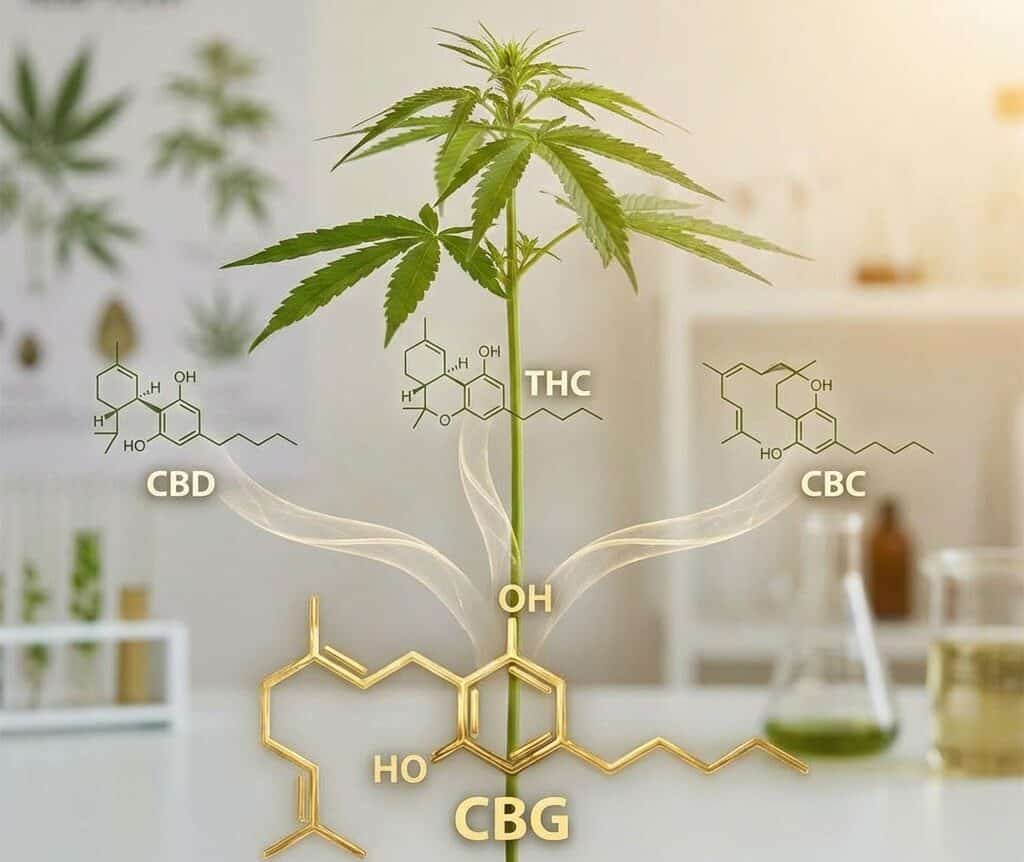
THCV = tetrahydrocannabivarin. Chemically similar to Δ9-THC but with a three-carbon side chain instead of five. That small tweak changes how it hits your endocannabinoid system-and how it feels.
-
Effects tend to be uplifting and crisp. In low doses THCV can dampen some THC effects; in higher doses it may become mildly euphoric on its own.
-
Potential use cases: daytime focus, appetite regulation, metabolic support, mood resilience, and movement control-based on early research and user reports.
-
Where it comes from: naturally higher in certain landrace sativas but usually extracted and concentrated for modern products.
How to shop: look for recent COAs (lab results) listing THCV in mg per unit, verified THC, and contaminant screens; choose reputable sellers with community feedback and transparent sourcing. For example, you can browse vape formats like disposable vapes, 510 cartridges, and supporting vape batteries at GetMyHigh.

THCV explained: a minor cannabinoid with major interest.
What THCV actually is (and why it feels different)
Cannabinoids act like keys fitting receptor locks (CB1 and CB2) in your body’s endocannabinoid system. Δ9-THC’s “key” has five carbons on its side chain; THCV’s key has three. That difference alters the effect:
-
At low doses, THCV tends to antagonize (block) CB1-the receptor THC stimulates. Small amounts can blunt THC’s heavier head buzz or reduce munchies for some people.
At higher doses, THCV may flip to a partial CB1 agonist, creating light euphoria with a faster, more stimulating profile.
At CB2 (widely expressed in immune tissues), THCV behaves as a partial agonist, a property being explored for inflammation and immune modulation.
This dual, dose-dependent behavior explains THCV’s split personality: clear and composed at micro-doses, gently elevating as you move up, and notably less sedating than average THC.
What the experience feels like
Patterns that show up consistently:
-
Mental clarity: Users often describe focus without fog, making THCV a daytime pick.
-
Energy and motivation: A subtle alertness that pairs well with tasks, workouts, or long sessions.
-
Less couch-lock: THCV leans stimulating rather than sedating-especially alongside citrusy or piney terpenes.
-
Toned-down munchies: Not universal, but frequently reported.
Lighter body feel & shorter duration: Compared with THC, many find THCV cleaner and shorter-acting.
If THC sometimes feels too hazy, THCV can be a reset-alone or blended with THC or CBD. For day-friendly formats, consider a simple pen from the vapes collection or an easy-metered tincture from the cannabis oil drops section.
Potential benefits people explore
Nothing here is medical advice. If you take medication-especially for blood sugar, mood, or blood pressure-talk to a clinician before experimenting.
-
Metabolic support & appetite regulationEarly research and user reports suggest THCV can influence glucose tolerance and appetite signaling via CB1 modulation. Many people notice reduced snacking and a steadier relationship with hunger.
-
Focus, mood, and motivationBecause low-dose THCV tones down CB1 over-activation, many find steadier mood and task engagement with less scatter than THC alone.
Movement & inflammationExploratory work is looking at motor control and inflammatory pathways. It’s too early for conclusions, but CB1/CB2 modulation plus antioxidant traits make THCV a research favorite.
Where THCV comes from
Natural THCV is rare in modern flower. It’s most associated with African landrace sativas (think Durban-type genetics). Today, producers usually:
-
Isolate THCV from hemp or cannabis and concentrate it (chromatography),
-
Breed THCV-rich cultivars (still uncommon), or
-
Build blends (e.g., THC + THCV + CBD) to shape the feel.
You’ll see THCV most often in vapes, distillate, tinctures, and gummies rather than raw flower. If you prefer a classic inhalation experience with a bright terpene profile, browse energetic sativas in Sativa products or explore craft flower options like Craft Flower and the broader Flowers catalog.
Dosing THCV (start low)
THCV is dose-sensitive. Start low, move slowly.
-
Micro (1-3 mg): Subtle alertness; can smooth THC or caffeine jitters.
-
Low (5-10 mg): Noticeable focus and appetite neutrality; mild uplift.
-
Moderate (10-20 mg): Brisk stimulation; some may feel light euphoria.
-
High (20 mg+): Can get edgy for sensitive users-consider pairing with CBD.
Format tips:
-
Vapes/carts: fastest feel; take 1-2 gentle puffs and wait. If you’re cartridge-curious, see Cartridges plus compatible Batteries.
Disposable vapes: simple, travel-friendly-browse Disposable Vapes.
Tinctures: measured sublingual dosing-check Cannabis Oil Drops.
Gummies/edibles: the slowest onset but longest tail-shop Cannabis Gummies and the broader Edibles range.
THCV next to other cannabinoids
THCV vs. Δ9-THC: THCV can temper THC at low doses (clearer head, fewer munchies). At higher THCV doses the effect becomes gently euphoric yet still crisp. If you prefer a lighter THC touch, consider balanced products from Hybrid or lower-THC flowers like AA and AAA, while connoisseurs can explore AAAA.
THCV vs. CBD: CBD is calming and indirect; THCV is activating. Many use CBD at night and THCV by day. You can find CBD options in CBD Products.
THCV vs. CBG/others: CBG feels steadily alert; THCV adds noticeable appetite neutrality for many users.
Terpenes that complement THCV
If you’re picking carts or flower, these terpenes often reinforce the “daylight” vibe:
-
Limonene: bright, citrus lift (often present in sativa-leaning strains).
Pinene: crisp, head-clearing clarity.
β-caryophyllene: interacts with CB2 and can smooth the ride.
To explore terp-forward concentrates, check out Live Resin or solventless classics like Hash and Kief.
Safety, side effects, and smart use
Most people tolerate THCV well, but stimulation has a flip side:
-
Edginess or quick pulse at higher doses-balance with CBD or step back.
-
Appetite suppression may not be ideal for everyone.
-
Blood sugar considerations: speak with a clinician if you’re on related medications.
-
Drug testing: products containing Δ9-THC can trigger tests; THCV-forward blends vary.
Good practice: Start small, hydrate, and try THCV the first time without caffeine. Edibles beginners can explore moderate options in Beverages or measured gummies such as Twisted Extracts Jelly Bites and ZZZ Bombs.

From flower to tincture common ways people explore THCV.
Legal and practical notes
Local rules vary. Dispensary products reflect regional regulations; online availability depends on your province or state. Always confirm current local law before ordering. If you’re curious about gear and formats, GetMyHigh’s Vapes section is a good launch point, and the Shop page makes it easy to compare formats side-by-side.
How to read a THCV COA (quick checklist)
-
Cannabinoid panel lists THCV (mg/serving or %) and other cannabinoids (Δ9, Δ8, THCA, CBDA, CBD).
-
Safety screens for heavy metals, pesticides, solvents, and microbials.
-
Batch number/date that matches the product in hand.
-
Terpene profile (optional) to align with your goals (limonene/pinene for clarity).
When you want real-world impressions to complement the lab sheet, check unbiased community spaces: MOMindex’s GetMyHigh listing & reviews at momindex.ca/mom/get-my-high and user photo threads like r/MOMpics (subreddit and a search focused on GetMyHigh).
Practical ways to try THCV
For work or studyStart with 1-5 mg via tincture or a single measured puff of a disposable. If you want a very simple setup, look at the Disposable Vapes lineup.
Pre-workoutA small vape dose can add pep without heaviness. Pair with citrus-leaning terpenes or consider lively hybrids from Hybrid products.
With THCIf you enjoy THC’s body ease but want fewer munchies, take 2-5 mg THCV first, then your THC. For easy pairings, browse balanced edibles like Cannabis Gummies or oil drops from the Cannabis Oil Drops page.
Curated bundles & varietyIf you’re sampling across strengths and effects, value packs such as Mix & Match make exploration easier without over-committing to one lane.
The bottom line
THCV is the cannabinoid for people who want clarity, energy, and appetite control-without the heavy haze. Its unique, dose-dependent action (blocking CB1 at low doses, lightly activating it at higher ones) delivers a distinctly daytime-friendly profile. If THC sometimes makes you snacky or scattered, THCV can change the equation.
Start small. Read the labwork. Choose reputable vendors and lean on community feedback. With a little experimentation, you’ll learn whether THCV belongs in your morning routine, your pre-workout ritual, or as a smart companion to your favorite THC.
When you’re ready to explore formats, a few good starting points are Disposable Vapes, Cartridges with Batteries, Cannabis Oil Drops, and Cannabis Gummies-all easy ways to test how THCV fits your day.


Leave a comment
Your email address will not be published. Required fields are marked *
You must be logged in to post a comment.